How do I Become an English Teacher Abroad?

Teaching English abroad can be a rewarding way to travel, gain professional experience and help learners improve their communication skills. English teachers are needed in many parts of the world, including Europe, Asia, the Middle East, Latin America and online learning platforms serving international students.
To become an English teacher abroad, you normally need a recognised TEFL or TESOL qualification, a good standard of English and the confidence to plan and deliver effective lessons. Some countries and employers may also ask for a university degree, previous teaching experience or specific visa documentation, but requirements vary depending on where you want to work.
This guide explains the main steps involved in starting a career in English language teaching abroad, including qualifications, salaries, visa requirements, degree expectations, popular destinations and how LTTC can help you prepare.
What Qualifications Do I Need?
The most common route into TEFL jobs abroad is to complete a recognised TEFL or TESOL course. These courses introduce you to the key skills needed for classroom and online teaching, including lesson planning, grammar awareness, classroom management, teaching vocabulary, developing speaking and listening skills, and assessing learners’ progress.
A good TEFL qualification helps you show employers that you understand the basics of English language teaching and are prepared to work with learners from different backgrounds. It is especially useful if you are new to teaching or want to move from another career into education.
Do I Need a Degree?
Whether you need a degree depends on the country, employer and visa rules. Some countries require a degree for work permits or formal school positions. Others are more flexible and may accept candidates with a strong TEFL qualification, relevant experience or a high level of English.
For example, some employers in Asia and the Middle East may prefer or require graduates, while many language schools, summer schools and online teaching organisations may consider applicants without a degree. Before applying, it is always sensible to check the requirements for your chosen destination.
Can I Teach English Abroad Without Experience?
Yes, many people begin teaching English internationally without previous classroom experience. A TEFL or TESOL course is designed to help new teachers understand how lessons work and how to support learners effectively.
Employers are often looking for teachers who are reliable, organised, enthusiastic and able to communicate clearly. Experience with children, training, tutoring, coaching or customer service can also be helpful, even if it is not formal teaching experience.
How Much Can English Teachers Earn Abroad?
Salaries vary widely depending on the country, type of school, teacher qualifications and local cost of living. In some countries, English teaching provides a comfortable local salary with accommodation or flight support. In others, it may be better suited to gaining experience, travelling or supplementing income.
Higher salaries are often found in international schools, universities, business English roles and countries where teaching qualifications are in strong demand. Entry-level TEFL jobs abroad may pay less, but they can provide valuable experience and a pathway into better positions later.
What About Visas and Work Permits?
Visa rules are different in every country. Some employers help teachers arrange work permits, while others expect applicants to organise their own documentation. Requirements may include a passport, qualification certificate, degree certificate, criminal record check, medical check or proof of employment.
It is important to use official immigration information and to make sure you are allowed to work legally before accepting a position. A reputable employer should be clear about visa expectations and should not encourage you to work without the correct permission.
Which Countries Are Best for Teaching English Overseas?
There is no single best country for everyone. The right destination depends on your goals, qualifications, budget and preferred lifestyle.
Popular regions for teaching English overseas include:
- Asia, where demand for English teachers is often high in countries such as China, South Korea, Japan, Thailand and Vietnam.
- Europe, where opportunities may be available in language schools, summer schools and private tutoring.
- The Middle East, where some roles offer higher salaries but may require stronger qualifications and experience.
- Latin America, where teaching can be a good option for cultural experience and Spanish or Portuguese language development.
Before choosing a country, consider salary, cost of living, visa rules, contract length, accommodation, working hours and the type of learners you would like to teach.
Teaching English Online or Abroad: Which Is Better?
Teaching English online and teaching abroad both offer good opportunities, but they suit different people.
Online teaching gives you flexibility and may allow you to work from home or while travelling. It can be a useful way to gain experience before moving overseas. However, online work may require you to manage your own timetable, equipment, internet connection and student bookings.
Teaching abroad gives you direct classroom experience and the chance to live in another country. It can be more structured, especially if you work for a school or language centre. However, it may involve visas, relocation costs and adapting to a new culture.
Many teachers now combine both routes by gaining experience online before applying for international teaching posts.
How LTTC Can Help
London Teacher Training College provides TEFL and TESOL training designed to help learners prepare for English language teaching roles in the UK, overseas and online. LTTC courses support new and developing teachers by covering practical teaching skills, lesson planning, language awareness and classroom techniques.
Studying with LTTC can help you build confidence, understand the expectations of English language teaching and prepare for opportunities in international education. Whether your aim is to work abroad as an English teacher, teach online or develop a long-term career in TEFL/TESOL, a structured qualification is an important first step.
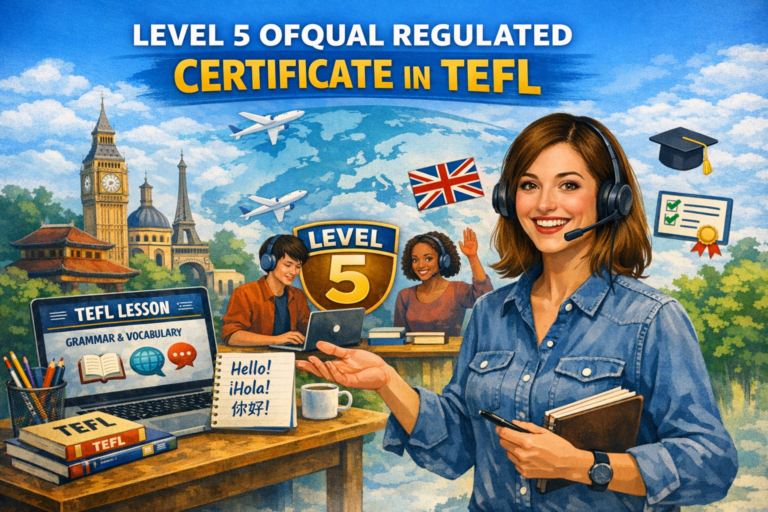
To try a FREE TEFL course and see if it may be for you,check out the FREE LTTC Foundation Course in TEFL or jump straight in and enrol on the Level 5 Certificate in TEFL.
Final Thoughts
If you want to teach English abroad, the best starting point is to understand the requirements of your chosen country and complete a suitable TEFL or TESOL qualification. You should also research employers carefully, check visa rules and prepare a professional CV focused on teaching, communication and international experience.
Teaching English internationally can open the door to travel, cultural exchange and long-term career development. With the right preparation, it can be a practical and exciting way to begin a new professional path.
For more TEFL advice visit tefltalk.com